It’s blowing warm air
Often a dirty filter, a tripped breaker on the outdoor unit, low refrigerant or a failing capacitor.
Try first: check the thermostat is set to Cool and swap a dirty filter.
Cooling · AC repair
We find out why it stopped, explain it clearly, and fix it if fixing makes sense. If it doesn’t, we’ll tell you that too.
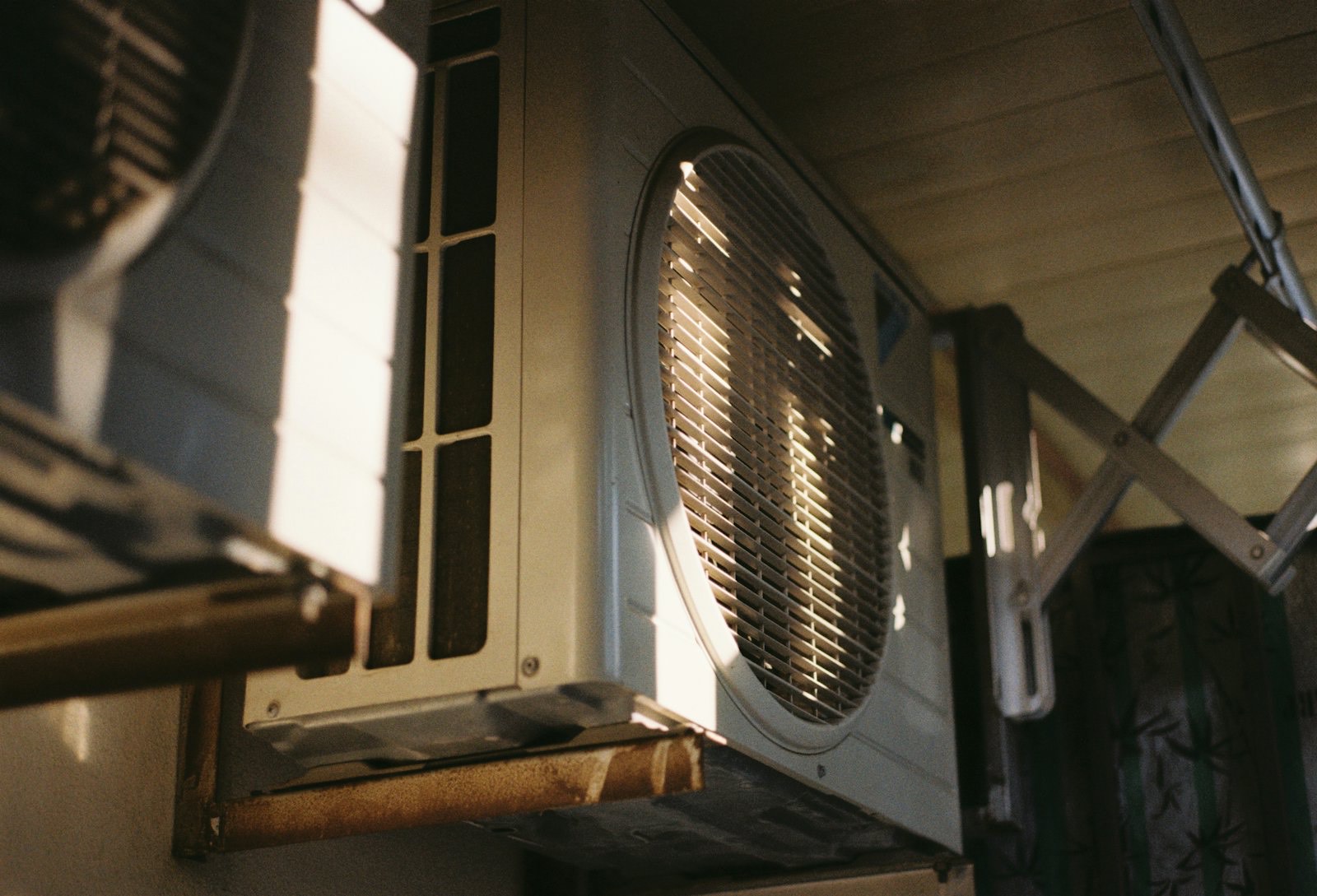
What it usually means, and one safe thing to try before you call.
Often a dirty filter, a tripped breaker on the outdoor unit, low refrigerant or a failing capacitor.
Try first: check the thermostat is set to Cool and swap a dirty filter.
Could be the thermostat, a tripped breaker, a blown fuse or a safety switch from a clogged drain.
Try first: check the breaker and the thermostat batteries.
Usually restricted airflow or low refrigerant. Running it frozen can damage the compressor.
Try first: switch the AC off, set the fan to On, and call us.
A clogged condensate drain or a cracked drain pan is the usual culprit.
Try first: turn the system off to protect floors and ceilings.
Buzzing, grinding, banging or squealing usually points to a motor, fan or electrical part wearing out.
Try first: note when it happens. It helps us find it faster.
A unit that never stops may be undersized, low on refrigerant, or fighting dirty coils.
Try first: close blinds on sunny sides and check the filter.
We don’t stop at the first thing we find. A full look means fewer repeat visits.
Our honest rule of thumb. Every home is different, so we’ll look at yours before advising.
Our promise: if a repair is the smart call, that’s what we recommend. If it isn’t, we’ll show you both options side by side and let you decide.
It’s best to switch it off. Running a struggling system can turn a small repair into a big one, especially if the coil is freezing up.
If the system is in decent shape and the fix is a common part, a repair is usually the smart call. If it has needed lots of repairs, or the quote is for a major part, we’ll show you both options side by side.
Yes. We explain what we found and what the repair involves, and you decide before any work begins.
Someone over 18 should be there to let us in and talk through what we find. If that’s tricky, call us and we’ll work something out.
Not every breakdown, but many. A spring tune-up catches worn parts, dirty coils and clogged drains before the hot weather finds them. See the maintenance plan.
Call now, or book a visit and pick a time window that suits you.